We all postpone things hoping to come back to it ‘when’ we have done something else, or achieved a level of comfort. The “When and then Mentality” refers to the tendency to postpone taking action or addressing issues until certain conditions or circumstances are met. It is similar to Procrastination and or deferring issues. It can be a way of avoiding immediate challenges by setting conditions for action.
People with this mentality often believe that they need to wait for the perfect time, situation, or level of readiness before they can tackle a task, make a decision, or pursue a goal. They may say things like, “I’ll start exercising when I have more free time,” or “I’ll apply for that job when I feel more confident.”
This mentality can be problematic because it perpetuates a cycle of inaction and delay. By constantly deferring action, individuals miss opportunities, hinder personal growth, and may struggle to achieve their goals. It’s important to understand that there may never be a “perfect” time, and waiting for ideal circumstances can lead to missed chances and regret.
This mentality should not be confused with the “If and then” thinking. “If and then” suggests that something is expected to happen to necessitate a followup. Example, “if I score an ‘A’ in the subject, then I will go to that university”. It is a process which allows one to considers different possibilities or scenarios and their potential outcomes. It is posing an action and considering the consequences. “If ..and then” is commonly used in problem solving, decision taking and planning. It promotes logical reasoning and enables one to consider multiple possibilities before taking action.
On the other hand, “When and then Mentality” can stem from various underlying factors, such as fear of failure, perfectionism, or a lack of self-confidence. It can also be a result of feeling overwhelmed or uncertain about how to approach a particular task or situation.
To overcome this mentality, it’s essential to develop a proactive mindset and take action despite uncertainties. Here are some strategies to help:
Set realistic goals: Focus on taking small steps rather than waiting for the perfect moment to tackle everything at once.
Embrace imperfection: Recognize that waiting for perfection is a trap. Understand that making mistakes and experiencing setbacks are part of the learning process and can lead to growth.
Challenge limiting beliefs: Identify any underlying beliefs that may be holding you back, such as the need to be fully prepared or the fear of making mistakes. Replace these beliefs with more empowering ones that encourage action and progress.
Take incremental action: Start taking small actions towards your goals, even if you don’t feel fully ready. By consistently making progress, you build momentum and increase your confidence.
Adjust your mindset: Instead of waiting for the perfect time, adopt a mindset of continuous improvement and adaptability. Embrace the idea that learning and growth happen through experience and action.
Seek support: Surround yourself with a supportive network of friends, mentors, or professionals who can provide guidance, encouragement, and accountability. They can help you overcome self-doubt and provide different perspectives on your challenges.
Remember, the key to overcoming the “When and then Mentality” is to take action despite uncertainties and gradually build momentum towards your goals. By doing so, you’ll develop resilience, confidence, and a greater sense of accomplishment.
Everyone is unique and everybody’s life is unique. You are not in competition with anyone.
It’s important to recognize that every individual has his/her own unique journey, circumstances, and talents. Comparison often involves making assumptions about others’ lives based on limited information or surface-level observations, which may not provide an accurate or complete picture. Each person has his/her own strengths, weaknesses, and paths to success, and trying to fit into someone else’s mould can hinder our own personal growth and fulfilment.
Observing others, or considering how everyone else is doing and comparing that to your own situation can have both positive and negative effects. On the positive side, healthy competition can provide motivation, inspiration, and a sense of direction. It can push us to strive for personal growth and achieve our goals. Comparing ourselves to others can also serve as a reality check, helping us gain perspective on our strengths and weaknesses.
However, constantly living in comparison can also have negative effects on our well-being and self-esteem. It can lead to feelings of inadequacy, jealousy, and a perpetual sense of dissatisfaction. When we constantly measure our worth based on how we stand compared to others, we may lose sight of our unique qualities and experiences, undermining our self-confidence and happiness. The case where we compare and think or feel that we are better than everyone else, can lead to vanity and empty pride, belittling others and becoming secluded from reality.
Instead of focusing solely on comparison, it can be more beneficial to shift our attention inward and reflect on our own progress, goals, and values. Embracing a growth mindset, where we strive for self-improvement and focus on our own development, can lead to a more fulfilling and meaningful life. Celebrating our own accomplishments, nurturing self-compassion, and finding joy in our own unique journey can help us break free from the cycle of comparison and live more authentically.
“Comparism is the thief of joy”
— President Theodore Roosevelt
We can strive to be the best version of ourselves without feeling the need to constantly compare ourselves to others.
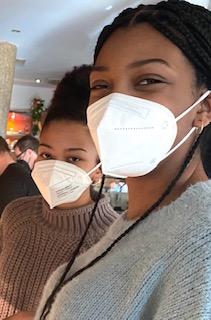
The face is the most distinctive part of a human being and therefore serves as most important physical feature for identification. Ordinarily, we recognise people by their faces. In these times of COVID and mask-wearing, I have wondered what features of the face actually make for identification or recognition.
Most dictionaries define the human face as “the front part of a person’s head from the forehead to the chin”. This would include the eyes, the mouth (lips), the nose the ears, the cheeks and other features of the face. Variations in the forehead, nose, mouth, eyes, cheeks and ears, are used to recognize one another and to distinguish one person from another. The facial muscles often help to display facial expressions that can show what we are feeling, our emotions, or what goes on in our minds at the time. Facial expression can show joy, sadness, surprise, anger etc, and can even be means of communicating with one another.
Masks in shopping malls
Since the COVID-19 pandemic, partial covering of the face by wearing masks has been enforced all over the world. The mask is required to cover your nose, your mouth, cheeks, and down below your chin. I have wondered how we still recognise one another.
Masks in Public Transportation
What part or parts of the face are actually important in recognition and identity? I have watched masked mothers with little babies in the pram. I have witnessed a mother in the bus, trying to kiss the baby while wearing the mask. I have wondered if the baby knows when the mother is smiling.
In present times, the Biometric or e-Passports have been introduced and used all over the world. One of the advantages is that the a machine at a country’s entry border or immigration check point scans your passport and matches data on it with your face, using facial recognition technology. Many other e-devices use facial recognition to allow access. How does this now work with the mask on?
The photo at the top of this write-up shows my two grand daughters, Melissa and Michelle. I can definitely recognize each one. I can even see that Melissa is smilling! So, what parts of the face are really necessary for recognition and identification?
Please feel free to share your comments and ideas.
It is another New Year. 2020 and 2021 have come and gone riddled with the scare and devastation of COVID -19, then the hope on vaccine production, and ending in 2021, with the new variant of the virus, Omicron! What have we learnt from 2020 and 2021? What are our expectations of 2022? If I should pick out one major thing these years have taught us, it is that that we are all connected, everyone on the globe, together with our environment. The virus never distinguished between peoples, never respected national boundaries and never cared about the economic disasters it caused. It took control over the entire human world! What can we get out of this?
The world must learn to love. Loving ourselves, loving one another and loving and appreciating our environment inclusive of everything within it. Love does not distinguish between peoples of various races, ethnicity and religion. Love transcends boundaries. Love does not judge on economic basis. Love is universal. Love makes richer nations care about the poorer, weaker, less ‘developed’ ones. In terms of the COVID, love is when all nations share in the positive outcomes of the scientific research concerning the virus, distributing and sharing vaccines so everyone that needs them gets protected.
2022 has come in a very low key. Everyone is still very aware that the virus is still there. Masks have become part of the fashion of the year. Vaccinations and boosters have become the ‘town cryers’. However, people now appear to be less fearful of the virus. We have resigned ourselves to the new norm – less social gatherings, restricted travels (travel bans), working from home and e-learning or distance learning, etc.
We do not know what the year 2022 holds for us but we are hopeful that it would be better than 2020 and 2021. We pray that the year witnesses the defeat and eradication of COVID, and people recover from the present social, economic and emotional distress and once again, get to socialise with, and appreciate one another!
The physical world (all we see around us) are made up of energy put together in specific ways to create the illusion of solidity. When you look around your house, your eyes convince you that you see a number of inanimate things, chairs, tables, windows, etc. You see cars, houses and so on on the road. That is true as far as perception is concerned, but in reality you are looking at objects that have been created through ideas or creative thinking of human beings. It was the thought that first constructed the furniture, the dress, the house, the automobile, the aeroplane, the computer! All these were conceived originally from thoughts. In-fact all our possessions came from original creative thinking and visualization of some individuals.
Thoughts are therefore the original source of all inventions, possessions, wealth and all man-made things that we can see, touch and experience. They are also origins of our various ideologies in the world as we know it, be it capitalism, socialism, educational systems etc. – all originated from someone’s thoughts or someone’s idea. When you want to do something, you start first by thinking about it, then proceed to doing it, and your physical actions match the thoughts you had. It is said that “anything we can think about, can be created”. It is mind boggling to observe that all those images that were conceived in motion pictures, like in the Star Wars and the James Bond movies, are all physically coming to reality. The internet, the remote phones, Robotics, the driverless car, you name it, are physically in existence. We now talk about ‘Artificial Intelligence’ AI.
A thought is a form of mobile energy that tends to find physical expression. When we have an idea and creatively visualize it, we are radiating thoughts energy into the universe. Following the visualization, the universe responds by helping us create or bring to reality these images as physical matter or event.
” Some people think that hard work brings success. This is not really so. Thinking is greater than hard work. Hands are merely helpers to the brain. Thoughts attract that on which it is directed….” (Claude M. Bristol)
‘Creative thinking involves a way of looking at and solving problems from a different perspective outside the pre-existing boundaries of our minds, – in other words, ‘thinking outside the box’.
We are creators, created in the image of God. Creative thinking is the magic that helps us bring forth new approaches and solutions to peculiar situations or problems in our world. It moreover, draws out our real potential. It’s amazing to watch a child creating through play. If unhindered, the child can freely produce some astonishing fabrications. He is not limited. He thinks outside the box.
At any point in time and age, new ideas, new solutions, new inventions are all locked up in humans- all of us, waiting to be magically manifested. Thinking creatively, is the only way of bringing out the best in humans in order to impart lives. This has been proven over and over again in the world’s development – be it the industrial revolution, the space age, or the present age of Artificial Intelligence, the Internet and associated Social Networks. The world can share what had been created originally from your thoughts, especially when these impact life positively. Without creative thinking, the world would still have been in the same place it was many, many, years ago.
Help create a better world! Think creatively for a better tomorrow!
A lot of people are stuck on how they see things or feel about things, their conditioned viewpoint of the world, and on their belief of what is right or wrong, and what is good or bad. It’s all about perspective – the viewpoint.
The viewpoint can be defined as the mental attitude that determines a person’s opinions or judgments, based on his or her point of view,perspective or perception. It is the way something is regarded, understood, or interpreted. One can describe an event, or argue about something from the viewpoint of his/her experience or circumstance.
Viewpoint includes a belief or opinion, often held by many people based on how things appear. Your perception of something is the way that you think about it or the impression you get. It is a construct of our own interpretations. People see the world differently and interpret events differently. It is interesting to listen to two or more people describe the same event. Each one has a different angle highlighted in his or her narrative. It is also noteworthy to mention the ways the media portray certain news items, directing their views along the ways they wish their audience to follow or believe.
I have been privileged to travel around the world. I have worked, and still work with people from various races and cultural backgrounds. I have come to understand a few things better and one of this is that in most cases, one’s viewpoints, perspectives and, or perceptions on something, are not always entirely correct. Because humans have biases, our ideas of the world are quite subjective. You interpret the world through your perceptual experiences. Some people however, are not matured enough or ready to grasp the concept of different perspectives.
“There is no such thing as one and only one correct perspective. Right is whatever conforms to your perception. You see the world as you are. Others see the world as they are too.” (Dr. Chopra)
Colonization of African countries and eventual alteration/ destruction of their indigenous cultures, values, and ways of life, were based on the European perception that these cultures and ways of life were ‘primitive’ and ‘barbaric’. Though there were other economic, political and motivating factors to colonization, these perceptions of the African ways of life were interpreted based on the European experiences and biases.
I have had the opportunity of talking with young adults who have been raised as “Third Culture Kids“. These include my own children. (A Third Culture Kid, often referred to as TCK, is a person who has spent a significant part of his or her developmental years outside his/her parents’ country or culture).
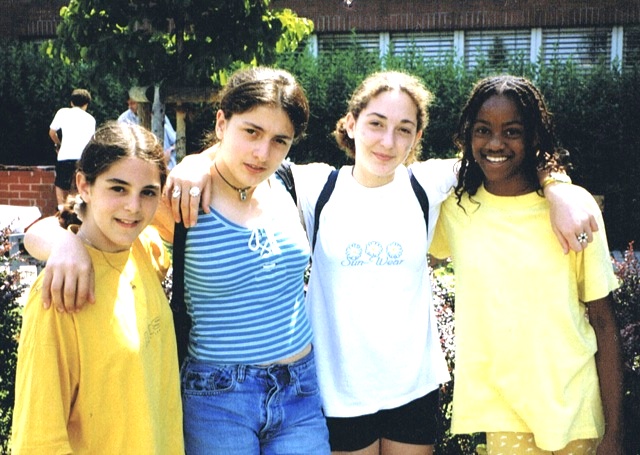
TCKs at Vienna International School, Austria.
I have observed how defensive and offended these TCKs become when you refer to a particular culture, country, or a group of people, in a negative manner. These TCKs have lived with and interacted with others different from themselves, and have come to see things from various viewpoints or perspectives.
One’s viewpoint or perspective on issues can often be influenced by one of many psychological factors, one of them being Confirmation Bias.
Confirmation Bias is defined as the tendency to search for, interpret, favour, and recall information in a way that confirms one’s pre-existing beliefs. In other words, we are often times influenced in our judgements and opinions on something, by our biases. This biased approach to issues is largely unintentional and often results in ignoring inconsistent information to our beliefs. People often exhibit confirmation bias in their viewpoints to protect their self-esteem because discovering that a belief which they highly value is wrong makes them feel uncomfortable. This is evident in racial disputes and arguments. Psychologists agree that Confirmation bias in humans shows that we do not always process information in a rational, unbiased manner. Another reason for the confirmation bias is that people like to feel intelligent while expressing their viewpoint.
Having rigid viewpoints, which usually are influenced by confirmation bias may create problems in interpersonal relationships as it can result in inaccurate and biased impression of others. It can cause miscommunications, conflicts, and suspicions among a diverse groups. When we understand this, it becomes important that we step out of our preconceived beliefs, and biases, and challenge our viewpoints before making certain sensitive utterances. This may not always be simple, but with conscious effort we can widen our perspectives or viewpoints on issues.
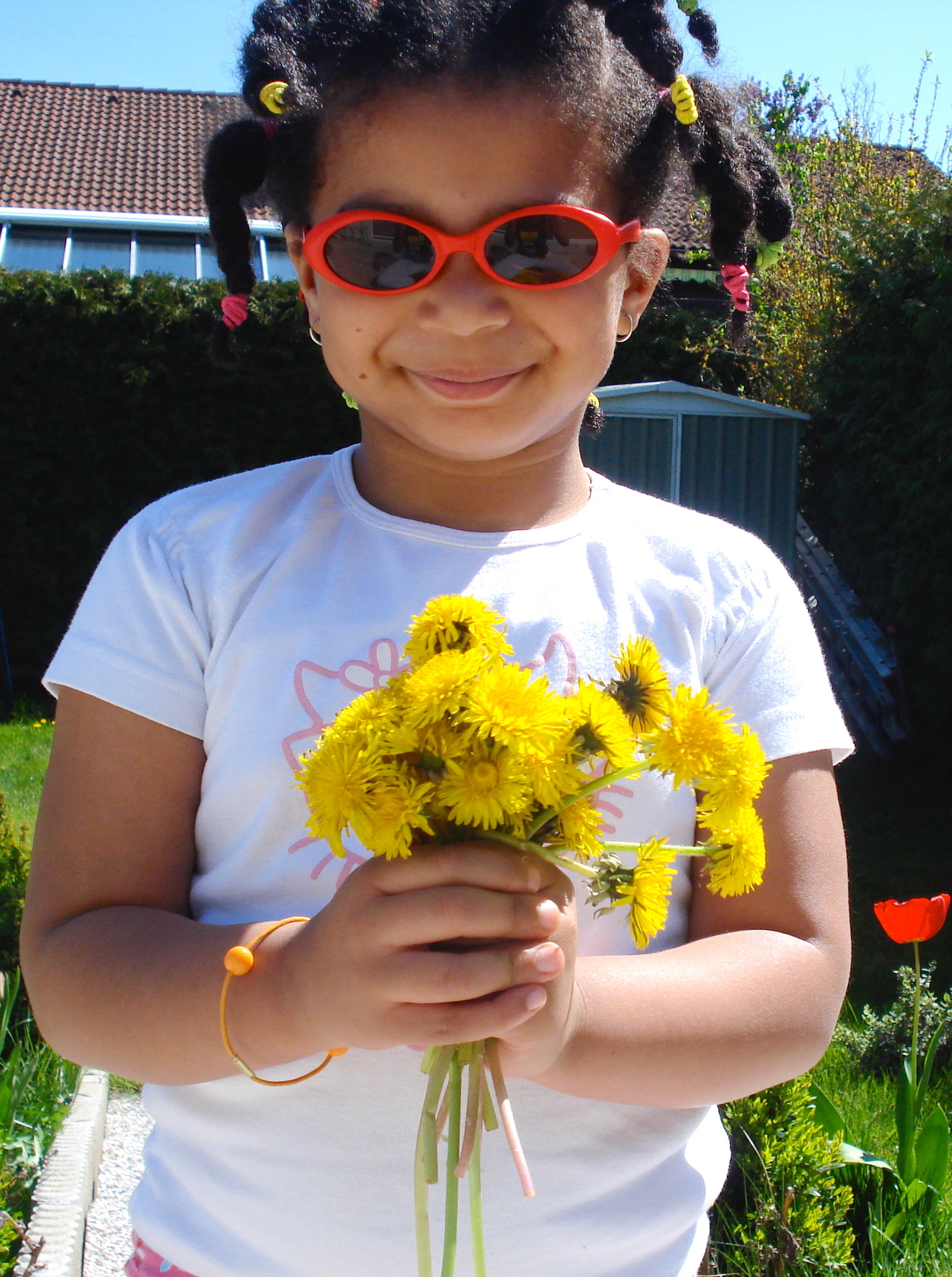
Seeing the Dandelions (wild weeds) differently, .. as flowers.
In recent times, as the pace of migration and emigration increases in humans, we hear so much about boundaries, borders, and walls. Current refugee problems exacerbate the call for these boundaries. By boundaries I refer specifically to physical international demarcations. Have you ever imagined a world without boundaries?
Humans personalize things. They think in terms of ‘my own’ your own, ‘our own’, ‘their own’, ‘us and them’. Does anyone really own things that nature provided and continues to provide naturally- things like, air, rivers, oceans, land, forests, the outer space, and even life itself?
I worked for many years as a Senior Research Officer in the Institute of Oceanography and Marine Research and as a Senior Consultant for the United Nations and the Global Environmental Facility (GEF), on ‘Water Pollution Control and Biodiversity Conservation’ in the Gulf of the Guinea. At the time, there were seminars and workshops on ‘Integrated Coastal Areas Management (ICAM). These seminars and workshops highlighted the fact that the Atlantic Ocean had no boundaries. Pollution along one national coastal region invariably affected the neighbouring areas and would, to a certain degree, affect the entire coastline biological resources.
In my write-up on The Connectedness of all , I tried, using an object as simple as ‘my bed’ in Zanzibar to highlight the interdependence of humanity, the connectivity of all things. In another of my blog on The “Butterfly Effect”of Life , I tried to show how any action, no matter how small or irrelevant you may think it is, can cause a continuous ripple in the ‘sea’ of life. The remote cause of World War 1 is a lasting example.
Without losing the trend of this write-up, all I am trying to portray is that in nature, there are no boundaries, no walls, no borders, only continuity, flow, and connectivity. Humans create great stress for themselves by placing constraints, demarcations and limitations.
Murau (Photo by Melissa Ugbor)
Animals in the wild do not set boundaries, rather, their genetical make up, differentiations, and needs for survival influence their distribution. We are part of the animal kingdom. We pride ourselves as higher beings, ‘Homo sapiens’, but we stifle ourselves with so much constraints and ideologies, – politics, religion, race, gender, and now, boundaries and walls.
Recently my granddaughter, Melissa, was writing her International Baccalaureate (IB) extended essay on effects of the partitioning and Colonization of countries of Africa. Her project and write-up set me thinking. “What if all countries in Africa, for example, were left to grow or develop without the interference and partitioning by the European colonizers? Would there perhaps have emerged, different groupings of people with comfortable ethnic similarities? Perhaps the peoples’ natural instincts would have prompted them to develop means of interacting peacefully among themselves and with their neighbours’. I know there could be a lot of debate over this topic. Our own ideologies and actions have led to ‘ours and yours’ mentalities which in effect create fear, and insecurity. The fear of losing, or sharing that which we now call ‘ours’ makes us justify the need for protection – call it, boundaries, walls, borders, and nationalism. These are steeped in fears and insecurity and will increasing be so. One thing is sure, constraints create stress. Constraints create conflicts.
Consider the Internet, or take a look at the various social media like the Youtube, FaceBook, WhatsApp, Twitter, and so on. One is amazed at how these social media connect the whole world, rich and poor. One cannot but marvel at the ease with which information from these awesome media instantly flows across continents and beyond. Perhaps through these, we could someday, come to the realization that life is meant to flow without constraints, without boundaries.
What is life?. How does one define life in general?. Scientists and philosophers have not found it easy to define life. This is partly because life is a process, not a substance. The most acceptable definition of life is a biological description – using biological and physiological characteristics of living organisms – Metabolism, Respiration, Nutrition, Irritability, Growth, Excretion, Reproduction, which in high school we memorized using the acronym ‘MR NIGER’. Although there are newer and more scientific ways of describing these biological processes, the mystery of life still lies in their perfect and synchronized execution by the human body. At the bases of these complex physiological processes are physical and chemical elements, atoms and molecules, intertwined with intelligent signaling and regulatory mechanisms necessary for maintaining life. Our body and life itself, is a field of infinite correlation of physics, chemistry, biology and mathematics with some direct influence of the planets and solar systems.
During respiration, we inhale billions of atoms and molecules that eventually end up as cells in our organs and tissues – liver cells, muscle cells, brain cells, bone cells etc. As we exhale, we discharge molecules of our degraded tissues and organs into the atmosphere. According to scientists, our body replaces 98% of all its atoms in less than one year!
“The body makes a new stomach lining every five days, a new skin, once every month, a new liver every six weeks, and a new skeleton every three months ..” (Dr Chopra)
The awesomeness of life overwhelms me at the birth of a new baby especially now that I am advanced in age with 4 grown children and 6 grand children.
New born Noah
The birth of each of my grand children set me in awe about this mystery. A few months ago, I was faced with the realization that my youngest daughter, my ’32-year-old-baby’ Tochi, had just given birth to her own ‘baby’, Noah. I gazed at the new born. I marveled at the perfection and the realization of the inbuilt potential already encoded in this infant – the potential to eat and digest food, to grow and eventually walk, talk, learn, reason and then become an adult. As the days ran into weeks and weeks into months, I am thrilled at the progress in the development of this ‘Newlife’. At 6 months, I watched as Noah instinctively and progressively proceeded to crawl, pushing ahead on his stomach and arms, aiming to grab the object he fancied in front of him!
The human body at maturity contains 30 to 37 trillions of cells which are the fundamental units of life. These cells are organized to form organs and systems. Each cell is continuously doing countless things per second and at the same time is aware of what the other cells are doing and correlates its activity with the others. Amazingly, despite all the activities going on within, the body maintains a stable state known as homeostasis.
Noah at 6 months
No one puts it better than one of my most valued authors, Dr Deepak Chopra, in his book, “Power Freedom and Grace” …
“There is no time for one cell to tell the other, ‘Listen, I’m going to digest food, you wait and don’t think thoughts for now.’ Our stomach cells are digesting food, while our brain cells are thinking thoughts, while our gallbladder is making bile, while our immune system is killing germs. The cells not only do more than one thing at a time, but they all keep track of what the others are doing – otherwise, there would be a great of confusion in the body.”
This is amazing! This harmonious synchronized functioning of the human body explains why Jesus called the whole human race “One Body“. We were created to work like “ONEBODY“ in harmonious correlation!
“…. At the same time that it is correlating all these activities, our body is monitoring the movement of the earth, the moon, the planets, the stars, and the entire cosmos. Our body, our mind, our emotions, everything in our physiology is changing moment to moment, depending on the time of the day, the cycles of the moon, the seasons and even the tides..”
Wow! Our body is part of the universe! We have a direct relationship with the universe! A simple example of this synchronization of our bodies to factors of the universe is experience of the daily rhythm, the 24 hour cycle of night and day. As a result of the spinning of the earth on its axis around the sun and other solar systems, our body goes to sleep at night and awakens in the morning. Another simple example is the 28-day female menstrual cycle where biological rhythm is an expression of the cosmos. In other words, the cosmic rhythms has some impact on the human reproduction!
The human body contains 60% – 70% water, similar to the percentage of water on the planet. The rise and fall of the tides, or the tidal rhythms, which are the result of the gravitational pull exerted by the sun, the moon and stars on the oceans also affects our body such that we have periods of ‘high moods’ and ‘low moods’ in our day to day lives. Anything that goes on in the universe affects our body, whether we understand it or not. A lot can be said about the relationship of nature, or universe to the human life.
Two factors stand out here:
1 – Knowing our Purpose in life, and Living together as ONE BODY,
2 – Taking care of the Universe.
For the human life or the body, to function at it’s best, each cell in each tissue, each organ or system must know its purpose, perform its duty diligently and function in a harmonious cooperation with each other. We as living beings are created as “ONE BODY” – two words that describe God’s intention in creating us. When we know our true purpose and execute this with passion, love, gratitude, selflessness, good neighborliness, aware of our neighbours’ needs, we can create a World of Mystery and Miracles – just as the cells of the body. Each individual is important and is expected to play a role in this ONE BODY.
Secondly, the human life needs the universe. We are surrounded by nature and interact with it. Perhaps most people are only aware of the biosphere – the thin layer of the planet earth where life exists,- its soil, the atmosphere, the hydrosphere and organisms within it. We experience nature by the air we breathe, the water we drink, and the food we eat. The Universe is, however, much more complex, that, even the air we breath, the water we drink and the food we eat are in relationship with the entire cosmos. Think of the seasons (Winter, Summer, Autumn and Summer) and visualize what happens to the air, the water and vegetation at the various seasons! Right from creation man has been dependent on nature and given the charge to cultivate and maintain it. Man, however, has been making serious negative incursions into our environment, through various forms of pollution, aforestation, and so on, not realizing the ultimate detriment to life itself. Conserving our environment means conserving life. Spend time in nature, admire it, learn about it and enjoy it. This is part of our duty in maintaining this Mystery called Life.
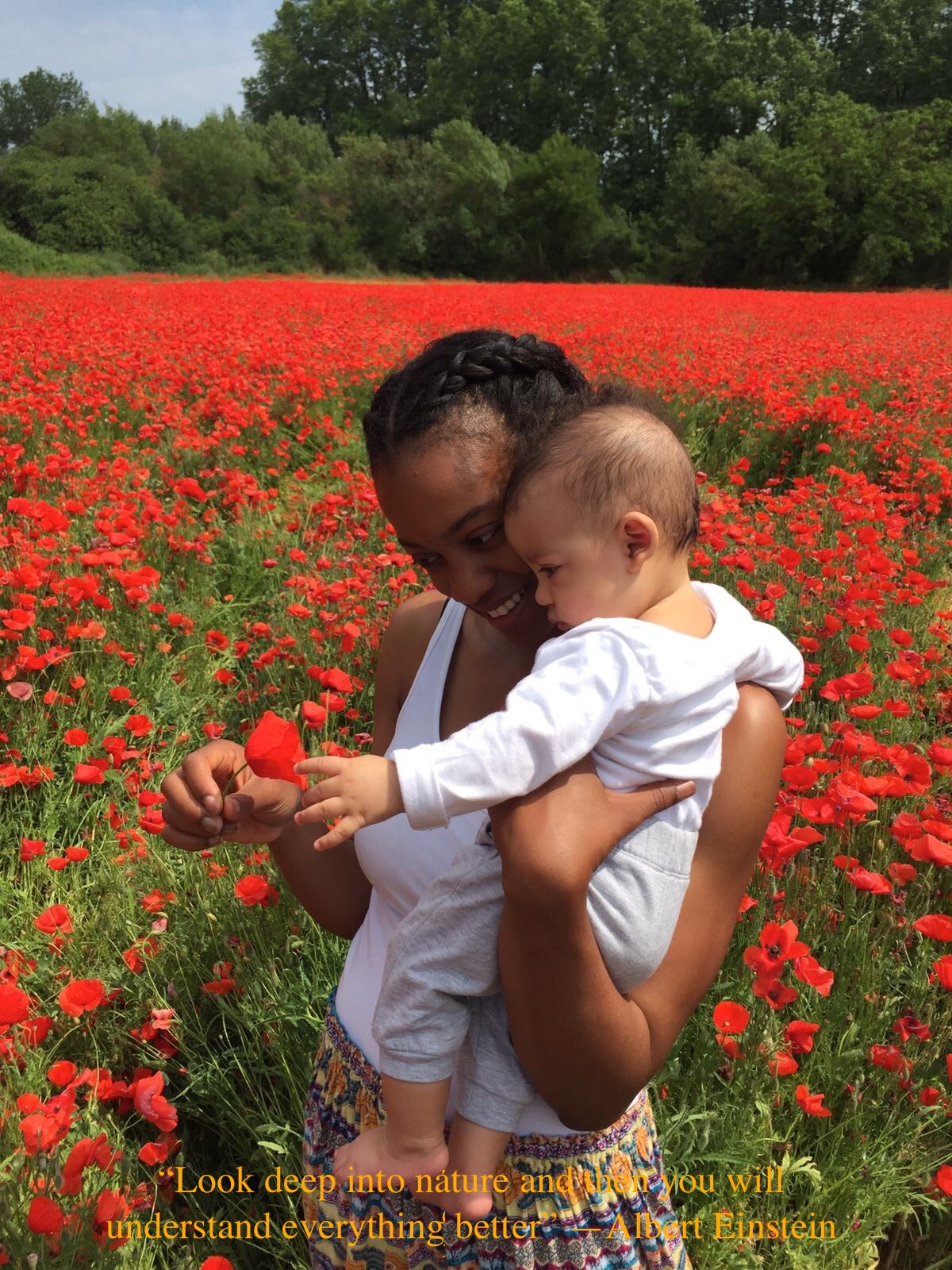
“Look deep into nature and you will
understand everything better.”– Albert Einstein
The Mystery of the Human Life is the concise description of the Mystery of Creation!
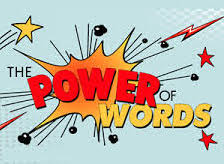
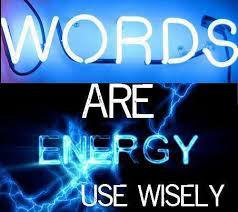
Words are units of spoken or written representations of a language that convey meaning. Words are used to express ourselves and our emotions. Words are powerful and we hear expressions like, “I give you my word”; “Keep your word.” In both expressions, word is regarded as a promise or an honour to be taken seriously.
Most people do not know the power of the spoken word. Words are vibrations spoken out as a result of our thoughts. Words therefore are spoken thoughts. Thoughts are powerful , but spoken words are more powerful since words are thoughts expressed. Whatever we express manifests more quickly in the universe through the Law of Attractionand Law of Vibration.
“Whatever man voices, he begins to attract” (Florence Scovel Shinn)
We could use a lot of scripture to portray the significance of ‘Word’. We read that God created the universe by spoken word and it came to be. We also read that “the Word was made Man and dwelt among us”. Word manifests!
Spoken words when uttered with emphasis, and strong emotions, manifest physical results.
Jesus said to them .“… If you have faith the size of a mustard seed, you will say to this mountain, ‘Move from here to there,’ and it will move; and nothing will be impossible to you”.(Matt 17:20).
Jane Elliot’s “Blue-eye/Brown-eye Exercise”
After Martin Luther King Jr. was assassinated in 1968, Primary school teacher, Jane Elliot wanted to teach her 3rd grade class about racism. Because most of her 8-year-old pupils had been born and were being raised in a small all-white town in Iowa and had seen black people only on television, she felt that her all-white class cannot fully comprehend racism’s meaning. Rather than a lengthy discussion about it, she used what she called the “Blue-eye/Brown-eye Exercise”. On the day of the exercise, she told the blue-eyed children that they were the superior group and made them sit in front of the class and gave them extra privileges. She told the brown-eyed pupils that they were inferior and less intelligent group, and sent them to sit at the back rows. She used negative words to describe the brown eyes pupils and positive encouraging words for the blue-eyed children. Within 15 minutes into the exercise, there was a direct noticeable change in the behavior and personality of the two groups – the blue-eyed pupils behaving more intelligent and more assertive, while the brown-eyed pupils became dull and confused, exhibiting lack of self esteem. The following day, Elliott reversed the exercise, telling the brown-eyed children that they were superior. A reversed change in behavior and personality occurred. Though this experiment became very controversial, the fact still remained that there is power in words! Other schools and establishments have used this same exercise and gotten similar outcomes. Words manifest! The above experiment teaches that we must be careful in what we say to our children. You may like to read more about Jane Elliot’s Blue-eye/Brown-eye Exercise in the internet.
Dr Masaro Emoto’s ‘Words and Water’ Experiment.
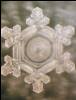
Some of you may have read about the water experiments by the Japanese scientist, Dr Masaro Emoto. Dr Emoto showed that water reacts to words. He showed that water differentiates between harmonious vibrations and non harmonious vibrations – vibrations of sounds, music and words. He proved this by freezing distilled water from different sources and water exposed to different vibrations. He then used special photographic techniques to document the crystals …..
“The result was that we always observed beautiful crystals after giving good words, playing good music, and showing, playing, or offering pure prayer to water.”(Dr. Masaro Emoto).
Below are a few of the results from Dr Emoto’s experiments of the frozen water crystals with words said to it, or music played to it.
You Fool
Thank you
Amazing Grace song
Dr. Emoto’s ‘Rice -Water’ Experiments
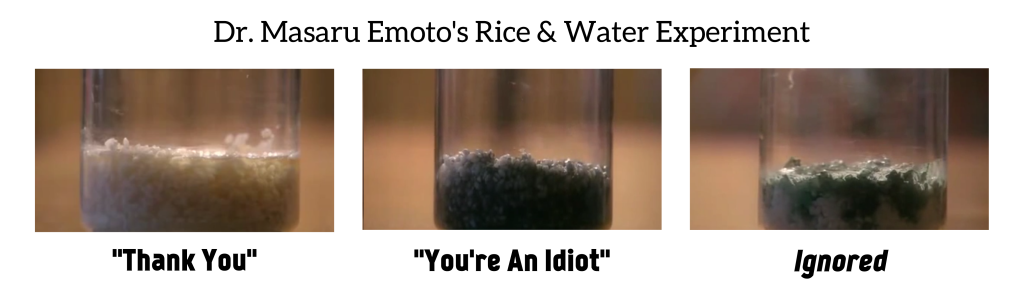
Dr. Emoto went on to conduct other experiments using rice and water called, ‘Dr Emoto’s Rice/Water experiment’. He placed portions of cooked rice in 3 little glass containers. To one he said “Thank you” and labeled it. To the 2nd he said, “You’re an Idiot” and labeled it accordingly. He ignored the 3rd container. Everyday for one month, he said ‘Thank you’ to the 1st container and ‘You’re an Idiot’ to the 2nd. He ignored the 3rd. At the end of the month, the contents of the glass container with the positive words had barely changed giving out a pleasant aroma, while the 2nd with the negative words had gone very black with a foul smell. The rice in the ignored container began to rot. Many people have since performed this experiment with astounding results. You can google Dr Emoto’s rice-water experiments to read, or see more on the subject. You can also perform the experiment yourself.
Recreating Dr. Emoto’s rice-water experiment
3 years ago, inspired by this experiment, my son, Ugo, and his two daughters, Melissa and Michelle, carried out the ‘rice-water’ experiments themselves and the result was astonishing! Take a look and listen to the children describe their experiment after 30 days.
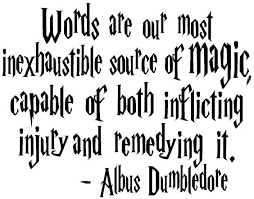
There is certainly power in the spoken words. We live in a miraculous world and we are living miracles. When you consider that words have effect on water and that the human body contains 50%-70% water, we may begin to imagine what everything we say to ourselves and to others are doing to our bodies – our physical and psychological wellbeing and our outlook in life. We should pay attention to what we say to ourselves and others. Words of affirmation are very important. Say positive things about yourself and to yourself. Say positive encouraging thing to your children. Say good things to, and about others and mean these things when you say them. “Your Words are your Magic Wands”
Have you ever wondered how significant your life is? Have you wondered if you make a difference – if what you do affects the universe, or, if your actions really do matter to this world you live in? Well, everything you do matters – your actions and reactions matter, not just for you but for everyone else!
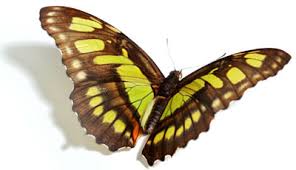
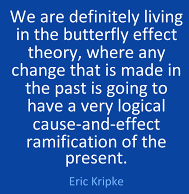
The Butterfly Effect is the concept that small causes can have large effects. The expression was used with weather prediction but has became a metaphor used in everyday life situations. The theory was first presented by Edward Lorenz in 1963 to the New York Academy of Science and basically states that:
A butterfly could flap its wings and set molecules of air in motion, which would move other molecules of air, in turn moving more molecules of air—eventually capable of starting a hurricane on the other side of the planet.
Though it uses the fluttering of the butterfly as a metaphor, it is a theory that everything matters. Scientists have come to accept the authenticity of this theory andit has been accorded the status of a law:
“The Law of Sensitive Dependence Upon Initial Conditions” or “The Chaos Theory”.
When you change even the smallest of life’s details, you completely change its outcome. This theory becomes even more authentic today as outer space scientists, using theChandra X-ray Observatory, have observed that the space we think is empty in the universe is actually not empty but filled with uniqueelectro-magnetic energythat connects everything in the universe!
Examples of the Butterfly Effect :
Historians agree that the trigger for the World War 1 was the assassination of the Archduke, Franz Ferdinand, heir to the Austrio-Hungarian empire and his wife, by a young Yugoslav nationalist, Gavrilo Princip in Sarajevo, in June 1914. This had the butterfly effect that led to the most brutal world war involving over 65 million military from 30 countries. This war among several other outcomes, led to the death of over 17 million people and another 20 million wounded or disabled. That war changed the face of the world!
The invention of the WorldWideWeb (www)in 1989 by the English scientist Tim Berners-Lee is another example with a butterfly effect leading to the present explosion in the social media, the Facebook, Google, Yahoo, Smartphones,…… connecting people all over the globe. You can think of thousands of the continuing ‘butterfly effects’ of this one invention.
So it is with our lives. Think about the outcome of your life by the ‘simple’ chooses you made. Consider what triggered these chooses and where they’ve led you and people associated with you to, – the schools you attended, where you live, your work, how you met your spouse …..
Now, let us consider our bodies. Things we choose to eat, how we think, what we say, our emotions, and life styles, all have butterfly effects that result in the physical, physiological and psychological states we find ourselves in as individuals. These states in turn affect our health, our relationships, our families, our businesses. Habouring anger, frustration and hatred sets a butterfly effect that not only causes malfunctioning of the body and ill health, but also unpleasant relationships.
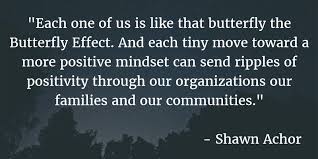
Even the smallest step we take in our lives can change the course of our lives and those of others immensely. A simple act of love or gratitude can have a butterfly effect that can lead to unforeseen consequences over time. Take a moment to think about this. Let us live our lives ‘awake‘, consciously knowing that our actions and reactions matter to the wellbeing of the Universe.










 It is mind boggling to observe that all those images that were conceived in motion pictures, like in the Star Wars and the James Bond movies, are all physically coming to reality. The internet, the remote phones, Robotics, the driverless car, you name it, are physically in existence. We now talk about ‘Artificial Intelligence’ AI.
 bring forth new approaches and solutions to peculiar situations or problems in our world. It moreover, draws out our real potential. It’s amazing to watch a child creating through play. If unhindered, the child can freely produce some astonishing fabrications. He is not limited. He thinks outside the box.



 or take a look at the various social media like the Youtube, FaceBook, WhatsApp, Twitter, and so on. One is amazed



 Most people do not know the power of the spoken word. Words are vibrations spoken out as a result of our thoughts. Words therefore are spoken thoughts. Thoughts are powerful , but spoken words are more powerful since words are thoughts expressed. Whatever we express manifests more quickly in the universe through the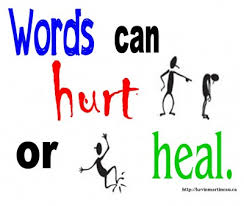

 There is certainly power in the spoken words. We live in a miraculous world and we are living miracles. When you consider that words have effect on water and that the human body contains 50%-70% water, we may begin to imagine what everything we say to ourselves and to others are doing to our bodies – our physical and psychological wellbeing and our outlook in life. We should pay attention to what we say to ourselves and others. Words of affirmation are very important. Say positive things about yourself and to yourself. Say positive encouraging thing to your children. Say good things to, and about others and mean these things when you say them.
 Philo Ugbor 's Blog