Self-Awareness – Who am I?

Who Am I?   Who Are You?

Who am I

You have been asked on several occasions to introduce yourself. ” Who are you?” Your response would probably be, “My name is so-and-so. I am a Nigerian, or British, or Japanese, or I am the Director of So-and-so Company.” All these answers refer to your self-image or to an object outside yourself: a name, a place, circumstances. This process of identifying with your self-image or objects of your experience is called Object-referral.

The Ego

Who you usually refer to as I, is often the illusionary self we call Ego. This ‘I’ is not who you are. It is the ‘I’ with whatever you have identified it with.  We identify as something outside of ourselves, President, Chief,  Honorable, Senator, Director, Engineer, etc. We try to keep up appearances to suit the Ego we identify with. The way we talk, dress, walk and even smile, in most cases, are carefully chosen to match the Ego we want to present. This is role playing.

Role-Playing

Most often we act out roles. Most of the people who are in positions of power in the world, such as politicians, TV Stars, Actors and Actresses, etc, are identified with their roles as VIPs. There is nothing wrong with this, but in the world of role-playing personalities, those few who do not project a man-made image but function from the deeper core of their being, those who do not attempt to appear more than they are, but are simply themselves, stand out as remarkable and are the only ones who truly make a difference in this world, no matter how small. What ever they do becomes empowered, because it is in alignment with the purpose of the world. Examples are Sister Theresa, Nelson Mandela, Doctors Without Borders, Aid workers, etc. All great work of science, exploration of creation, progress in medicine and health, development in technology and communication and travel are by individuals that did not project a man-made image but functioned from the deeper core of their being; people like Einstein, Isaac Newton, James Watt, Steve Jobs, etc.

The Authentic Self

When you don’t play roles, it means there is no ego in what you do. As a result, your actions have far greater power. The Real Self, or the Authentic Self is meant for the good of the universe. It is like the cell in an organ in the body. Each cell functions for the good of the entire organ and ultimately for the good of the entire body. Illnesses like cancer are caused by cells that have refused to function in alignment with the rest of the organ. If we function wrongly, we contribute to the chaos in the world. We experience conflicts both with ourselves, within ourselves, and with others. There would be mediocrity, not to talk about the illnesses, stress, depression, hatred and wars. When we are aware of who we are meant to be, we help create harmony and peace. We are at peace with ourselves and therefore we radiate peace. We are able to manage our emotions because we understand our purpose.

Self Aw1

Each individual is uniquely made with special gifts, talents and creativity. But we become influenced as we grow, by Family, School, Friends we associate with, the society we live in, the media, our cultures etc. By the time we are grown we have become completely brain washed to believe what others made us into. We begin to see ourselves as a woman with limitations, as black, as white, as unintelligent, not supposed to do this or that. We are narrowed down into what we are not! The sad thing is that we believe it! 90% of what we believe is what others told us or made us believe. These beliefs go into our subconscious and form our Core Beliefs. This is sad, but we can change all this when we know who we really are, when we become Self-Aware and challenge beliefs that do not serve us. We are spiritual beings in human body trying to connect to the spirit within and all nature around us.

Self-Awareness

Self-Awareness therefore simply means, knowing who you are, becoming aware of why you feel the way you feel, act the way you act, and react the way you react. It is understanding your personality traits, your strengths, weaknesses, your beliefs, your skills and interests. As you develop self-awareness you are able manage your thoughts, emotions and behaviour in order to create what you want and take control your life and live out your purpose.

So many people go to jobs they never enjoy. I often hear people say, “ I hate this job” yet they go there everyday. I was like that till I asked myself questions. Sadly the world is full of such people, sad depressed, angry, frustrated. Is there any wonder there is chaos in the world today?

Who are you? And why are you here – on earth? Why were you born? These questions opened my eyes several years ago. I went from working as a Research Scientist to becoming a Wellbeing Counsellor and an Inspirational Speaker, which I believe is my calling.

images-10

Some people have been fortunate to discover themselves. If you are one of these, enjoy the happiness and self-fulfillment you feel in what you do – in the service of humanity. Unfortunately, a greater number of people have never thought about why they are here.

You are created for a reason and all features needed to attain this purpose are there within you. Knowing who you are and living your dream means using those inborn and unique qualities to fulfill your purpose in life, and this is what brings happiness, peace of mind, fulfillment wellbeing and ultimately success, real success.

You may like to consider the following reflective questions in uncovering Who You Are, the ‘Authentic’ You and your Life Purpose:

Personal: What do you believe are five of your greatest strengths? Are you using all five of those strengths in your life today? If so, when? If not, why not?

What are three of your greatest weaknesses? Which of these three are causing the most trouble in your life today? Do these cause problems for you or for others? In what specific ways would your life change if this weakness did not exist?

Which of your skills or talents give you the greatest sense of pride?

                   You are ____UnknownWhat two personal accomplishments fill you with the greatest sense of pride? How often do you think about these accomplishments?

What are three specific situations where you feel the happiest? What are some of the core components of those situations? How often do these situations happen in your life? What specific changes could you make to have these situations happen more frequently?

What is one specific situation where you feel the most angry or frustrated? What are some of the core components of that situation? What beliefs do you have about that situation that contributes to your anger or frustration?

What are your core beliefs about life? What are your fears and dreams? This section will help you discover what’s hidden in your subconscious.

Social: Who Are You in Public? – Who are you with people? What kind of impression do you try to make? What kinds of people do you like to hang out with? The purpose of this section is to understand who you are in social situations.

Work: What Is Your Calling? – What kinds of work do you enjoy? What types of activities did you love to do as a child? The purpose of this section is to help you figure out what activities bring out your best talents and skills.

Financial: What Do You Believe About Money? – What does money mean to you? Where did you get your beliefs about money? How do those beliefs affect your behavior? This section will provide you with a clearer understanding of your perspective on money.

Spiritual: What Do You Believe About God? – Do you believe in God? How do your spiritual beliefs affect your day-to-day life? Explore your ideas about the universe and the meaning of life.

Reflect on moments in your life when you felt the most fulfilled, proud of yourself, and really happy. Don’t take anything as insignificant. You may discover that these moments, which I call ‘Peak Moments’, not only made you happy, but also made other people happy – periods that involved giving of yourself! These moments, or work could be  clues to Who You Are meant to be.

When we discover Who We Are, the whole world works for us. We are happier, content, more spontaneous, lacking prejudice, and emotionally balanced. We are more creative, more giving, more in tune with everyone and with nature.

Self Aw 2

Please share your comments. 

Happiness

Happiness has been defined as a mental or emotional state of well-being characterized by positive or pleasant emotions ranging from contentment to intense joy. The ultimate purpose of life is to be happy, to find fulfillment and contentment. Unfortunately, not so many people achieve this purpose or know how to be happy. Happiness is a choice. There are people who choose to be happy and there are people who choose to be unhappy.

Happiness 3

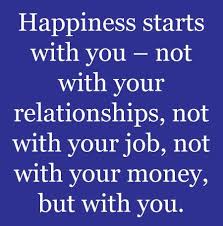
Happiness does not come from fame, fortune, other people, or material possessions. Rather, it comes from within. You alone have the ability to make yourself happy. We have seen many rich and famous people being miserable, some committing suicide, while a person living in the slums of a third world country could be happy and content. Happy people are happy because they make themselves happy. They maintain a positive outlook on life and remain at peace with themselves.

Happiness 1

How do happy people keep themselves happy? Here are 20 ways:

1. Don’t hold grudges.
Happy people understand that it’s better to forgive and forget than to let their negative feelings overshadow their positive feelings. Holding a grudge has a lot of detrimental effects on your wellbeing, including increased depression, anxiety, and stress. Why let anyone who has wronged you have power over you? If you let go of all your grudges, you’ll gain a clear conscience and enough energy to enjoy the good things in life.
2. Be kind to everyone; Perform a selfless service.
It has been scientifically proven that being kind makes you happier. Every time you perform a selfless act, your brain produces serotonin, a hormone that eases tension and lifts your spirits. Develope the habit of giving freely as an act of kindness. Moreover, treating people with love, dignity, and respect also allows you to build stronger relationships. 
3. See problems as challenges.
Happy people view a problem as a challenge. A problem is viewed as a drawback, a struggle, or an unstable negative situation, while a challenge is viewed as something positive like an opportunity, a task, or a dare. Whenever you face an obstacle, try looking at it as a challenge that could have positive outcomes. Most times, they do.
4. Express gratitude for what they already have.
You may be familiar with this saying: The happiest people don’t have the best of everything; they just make the best of everything they have.” You will have a deeper sense of contentment if you count your blessings instead of yearning for what you don’t have. Avoid murmuring and complaining.
5. Don’t dwell on the petty stuff
Happy people ask themselves, “Will this problem matter a year from now?” They understand that life’s too short to get worked up over trivial situations. Letting go of little irritations will definitely put you at ease to enjoy the more important things in life.
6. Speak well of others.
Being nice feels better than being mean. As fun as gossiping is, it usually leaves you feeling guilty and resentful. Saying nice things about other people encourages you to think positive, non-judgmental thoughts.
7. Never make excuses.
Happy people don’t make excuses or blame others for their own failures in life. Instead, they own up to their mistakes and, by doing so, they proactively try to change for the better.
8. Get absorbed into the present.
Happy people don’t dwell on the past or worry about the future. They enjoy the present. They let themselves get immersed in whatever they’re doing at the moment. Stop and smell the roses.

images-10

9. Avoid social comparison.
Everyone works at his own pace, so why compare yourself to others? If you think you’re better than someone else, you gain an unhealthy sense of superiority. If you think someone else is better than you, you end up feeling bad about yourself. You’ll be happier if you focus on your own progress and praise others on theirs.
10. Choose friends wisely.
It is important to surround yourself with optimistic people who will encourage you to achieve your goals. The more positive energy you have around you, the better you will feel about yourself.
11. Have personal Control and Never seek approval from others.
Happy people are not bothered by what others think of them. They follow their own hearts without letting others discourage them. They understand that it’s impossible to please everyone. Listen to what people have to say, but follow your heart. Happy people have the ability to choose their own destinies. They don’t let others tell them how they should live their lives. Being in complete control of one’s own life brings positive feelings and a great sense of self-worth.
12. Take the time to listen.
Talk less; listen more. Listening keeps your mind open to others’ wisdoms and outlooks on the world. The more intensely you listen, the quieter your mind gets, and the more content you feel. A good listener also attracts friends and heightens relationships.
13. Nurture social relationships.
A lonely person is a miserable person. Happy people understand how important it is to have strong, healthy relationships. Always take the time to see and talk to your family, or friends.
14. Meditate.
Happy people take time to be on your own in solitude, preferably in nature. Meditating silences your mind and helps you find inner peace. Happy people know how to silence their minds anywhere and anytime they need to calm their nerves.
15. Eat healthy.
Everything you eat directly affects your body’s ability to produce hormones, which will dictate your moods, energy, and mental focus. Be sure to eat foods that will keep your mind and body in good shape.
16. Exercise.
Studies have shown that exercise raises happiness levels. Exercising also boosts your self-esteem and gives you a higher sense of self-accomplishment. Take time to be in nature – watch the sunset, smell the rose ..
17. Avoid Clutter and hoading.
Happy people rarely keep clutter around the house because they know that extra belongings weigh them down and make them feel overwhelmed and stressed out. Give away what you do not need.
18. Accept what cannot be changed.
Once you accept the fact that life is not fair, you’ll be more at peace with yourself. Instead of being obsessed over how unfair life is, just focus on what you can control and change it for the better. Leave what you cannot change and accept it.
19. Pray, Join a church or believe in something greater than you – call it God, the Universe, The Source.
Prayer does not always mean kneeling and asking for one thing or the other. It is being thankful to God. Happy people are always thankful and giving praises to God.
20. Laugh!

Happiness 2
Happy people laugh a lot and find humour in just anything. They do not take life too seriously. Laughter is a great form of stress relief. A good laugh can stimulate many organs by enhancing your intake of oxygen-rich air. This stimulates your heart, lungs and muscles, and increases the release of the ‘happy’ hormones, endorphins. The result is a good, relaxed feeling and improved immune system.

Managing Stress

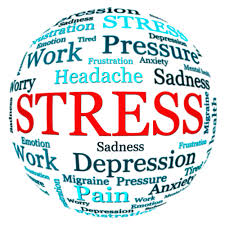
Stress is the body’s method of reacting to a challenge. It is a physiological ‘fight or flight response’ to an environmental condition, an event or a problem.

Stress globe

Everyone, one time or the other, goes through stress. There will be a lot to be done, bills to be paid, repairs to be done in the house, your career and family responsibilities will always be demanding. It seems that there will never be enough time in the day. You seem to be losing control. But you have more control than you might think. In fact, the simple realization that you’re in control of your life is the foundation of stress management. Managing stress is all about taking charge: of your thoughts, emotions, schedule, and the way you deal with problems.

Stress pic

Stress Management

Stress management starts with identifying the sources of stress in your life. Look closely at your habits, attitude, and excuses.

Do you blame your stress on other people or on events outside your control?
Until you accept responsibility for the role you play in creating or maintaining the high stress level in your life, it will remain outside your control. Each time you suffer from stress, try to examine the patterns and likely causes.

What caused your stress (make a guess if you’re unsure)
How you felt, both physically and emotionally
How you acted in response
Note also what you did to make yourself feel better. Focus on this. Since everyone responds to stressful events differently, ways to cope and manage stress also differs from on individual to another. There are however Four ‘A’s to dealing with stressful situation:

Avoid the Stressor
Alter the Stressor
Adapt to the Stressor
Accept the Stressor

1. Avoid the Stressor:

Not all stress can be avoided, and it’s not healthy to avoid a situation that needs to be addressed. You may be surprised, however, by the number of stressors in your life that you can eliminate. 

Learn how to say “no”Know your limits and stick to them. Do not take on more than you can handle even in your personal life.

Avoid people who stress you out – If someone consistently causes stress in your life and you can’t turn the relationship around, limit the amount of time you spend with that person or end the relationship entirely.

Take control of your environment – If listening to the News makes you anxious, turn the TV off or to something more pleasing. You do not miss anything by not listening to negative or horrific News. If traffic’s got you tense, take a longer but less-traveled route.

Avoid hot topics – If you get upset over religion or politics, cross them off your conversation list. If you repeatedly argue about the same subject with the same people, stop bringing it up or excuse yourself when it’s the topic of discussion.

Prune down your to-do list – Analyze your schedule, responsibilities, and daily tasks. If you’ve got too much on your plate, distinguish between the “shoulds” and the “musts.” Drop tasks that aren’t truly necessary to the bottom of the list or eliminate them entirely.

2. Alter the Stressor: 

If you can’t avoid a stressful situation, try to alter it. Figure out what you can do to change things so the problem doesn’t present itself in the future. Often, this involves changing the way you communicate and operate in your daily life. Express your feelings instead of bottling them up. If something or someone is bothering you, communicate your concerns in an open and respectful way. If you don’t voice your feelings, resentment will build and the situation will likely remain the same.

Be willing to compromise. When you want someone to change their behaviour, be willing to do the same.                                                                                                                                        

Be more assertive. Deal with problems that upset you as they arise, doing your best to anticipate and prevent them. If you have work to accomplish at the moment and a friend wants to come visit, be bold to suggest another date.

Manage your time better. Poor time management can cause a lot of stress. When you’re stretched too thin and running behind, it’s hard to stay calm and focused. But if you plan ahead and make sure you don’t overextend yourself, you can alter the amount of stress you’re under.

3. Adapt to the Stressor 

If you can’t change the stressor, change yourself. You can adapt to stressful situations and regain your sense of control by changing your expectations and attitude.

Reframe problems. Try to view stressful situations from a more positive perspective. Rather than fuming about a traffic jam, look at it as an opportunity to pause and regroup, listen to your favorite radio station, or enjoy some alone time.

Look at the big picture. Take perspective of the stressful situation. Ask yourself how important it will be in the long run. Will it matter in a month? A year? Is it really worth getting upset over? If the answer is no, focus your time and energy elsewhere.

Adjust your standards. Perfectionism is a major source of avoidable stress. Stop setting yourself up for failure by demanding perfection. Set reasonable standards for yourself and others, and learn to be okay with “good enough.”

Focus on the positive. When stress is getting you down, take a moment to reflect on all the things you appreciate in your life, things you have achieved, including your own positive qualities and gifts. This simple strategy can help you keep things in perspective.

4. Accept the Stressor 

Accept the things you cannot change. There are some causes of stress that cannot be changed or avoided. Events like the death of a loved one, failure in an examination, a serious illness, etc.In such cases, the best way to cope with stress is to accept things as they are. Acceptance may be difficult, but in the long run, it’s easier than railing against a situation you can’t change.

Don’t try to control the uncontrollable. Many things in life are beyond our control— particularly the behavior of other people. Rather than stressing out over them, focus on the things you can control such as the way you choose to react to problems.

Look at the bright side. As the saying goes, “What doesn’t kill us makes us stronger.” When facing major challenges, try to look at them as opportunities for personal growth. If your own poor choices contributed to a stressful situation, reflect on them and learn from your mistakes.

Share your feelings.Talk to a trusted friend (a friend who will tell you the truth rather than tell you just what you want to hear) or make an appointment with a therapist. The simple act of expressing what you’re going through can be very cathartic, even if there’s nothing you can do to alter the stressful situation. Opening up is not a sign of weakness and it won’t make you a burden to others. In fact, most friends will be flattered that you trust them enough to confide in them, and it will only strengthen your bond.

Learn to Forgive. Accept the fact that we live in an imperfect world and that people make mistakes. Let go of anger and resentments. Free yourself from negative energy by forgiving and moving on.

Show Gratitude and Appreciation. Gratitude lets you celebrate the present. Studies have shown that gratitude blocks toxic emotions such as anger, envy, resentment, regret, and depression. Grateful people are more stress-resilient. Gratitude strengthens social ties and increases self esteem.

Self-development

Oasis and Bloom is committed to the self- or personal-development of the individual. Self-development is the process of developing your talents, potentials and capabilities, which in turn means increasing your self-awareness. It is a process during which you reflect on your aim in life, set goals, and workout methods of achieving these goals. Self-development helps to enhance self-confidence, self-esteem and employability prospects and quality of life of the individual.

Self-development